By Amelia Sponseller, FNP-C, Menopause Society Certified Practitioner
Lyme disease is a significant health concern in Southern Maine, with the region experiencing a steady increase in cases. In 2023, there were a record breaking 2,706 cases across the state. As warm weather sends us outdoors, here’s what you need to know.
Transmission of Lyme Disease
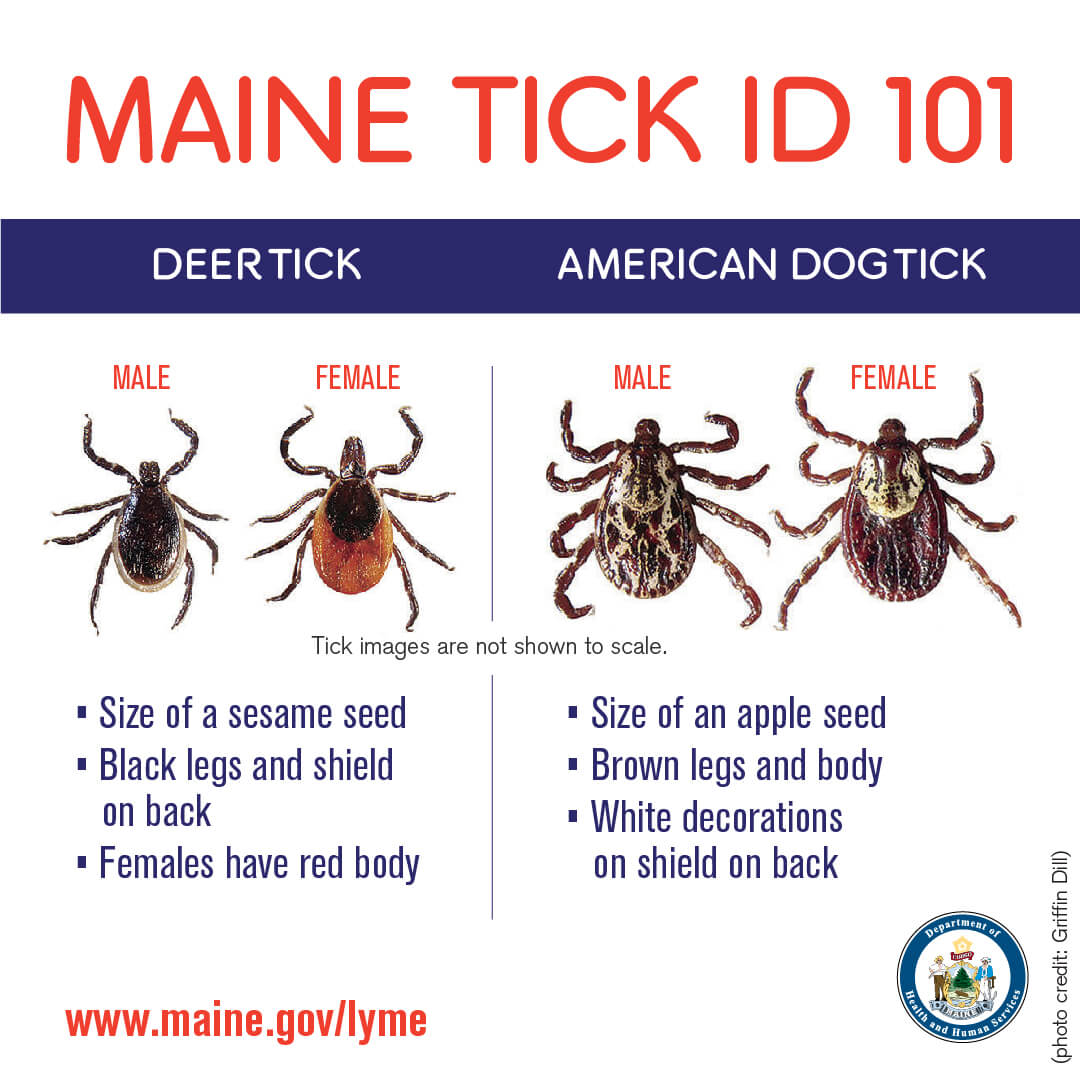
Lyme disease is transmitted through infected black-legged tick, commonly known as the deer tick. They are typically found in wooded, brushy, or grassy areas. The bacteria responsible for Lyme disease are present in the tick’s saliva and are transmitted to humans when the tick feeds. For transmission to occur, the tick must be attached for at least 24 to 48 hours. The peak season for becoming infected occurs during late spring/early summer when the biting ticks are very small (about the size of a poppy seed).
Preventing Lyme Disease
Preventing Lyme disease primarily involves avoiding tick bites:
• Wear appropriate clothing. Opt for light-colored, long-sleeved shirts and long pants. Tuck pants into socks or boots to minimize exposed skin.
• Use tick repellents. Apply insect repellents containing DEET, picaridin, or oil of lemon or eucalyptus to exposed skin. Treat clothing with permethrin, an insect repellent effective against ticks.
• Stay on cleared paths. When hiking, stay in the center of cleared trails to reduce contact with vegetation.
• Perform tick checks: After being outdoors, thoroughly check your body for ticks, paying close attention to areas like the scalp, armpits, and groin.
• Shower after spending time outdoors: Showering can’t remove attached ticks, but it can wash off ticks that have not yet attached, help you spot ticks, and reduce exposure to ticks in clothing.
• Place clothes in a dryer: Placing dry clothing briefly (about 5 minutes) in a dryer on high heat after outdoor activities kills ticks on clothing.
• Protect your yard: Keep lawns mowed, remove leaves, and create a barrier of wood chips or gravel between wooded areas and recreational spaces.
• Antibiotics: After a tick bite, treatment with the antibiotic doxycycline may be appropriate. It is important to talk to your healthcare provider to determine if this is right for you.
Recognizing Lyme Disease Symptoms
Early detection of Lyme disease is crucial for effective treatment. Symptoms typically appear 3 to 30 days after a tick bite and may include:
• Bull’s-eye rash: A red circular rash with a central clearing, resembling a target occurs in 70-80% of cases.
• Flu-like symptoms: Fever, chills, fatigue, headache, muscle and joint aches.
If left untreated, Lyme disease can progress to more severe symptoms, such as arthritis, neurological issues, and heart problems. If you develop any of these symptoms after a tick bite or spending time in areas where ticks are prevalent, consult your healthcare provider promptly. Early-stage Lyme disease is treatable with antibiotics, and most individuals recover fully with appropriate medical care.
Amelia Sponseller is a Scarborough resident, Family Nurse Practitioner, Menopause Society Certified Practitioner, and owner of Marshview Direct Primary Care.