By Toby Bartlett
Why doesn’t Scarborough have a traditional downtown and Main Street? The answer goes all the way back to codfish, colonial land grabs, and a bunch of fiercely independent settlements that were never all that interested in doing things the same way. Scarborough isn’t a place that grew from a single village center. It was stitched together, like a patchwork quilt…with tidepools at almost all the seams.
Before the beach chairs and traffic jams, there was cod, corn, and just enough chaos to call it a town. And before there were beachgoers and clam shacks and debates about whether Route 1 traffic is worse than I-95, Scarborough was mostly a tangle of marsh grass, tidal creeks, and a handful of stubborn settlers trying to make something stick. The story begins with a guy named John Stratton, a scrappy English fisherman who, around 1630, set up shop on a cluster of islands off what we now call Pine Point.
It All Started with Fish
Stratton wasn’t exactly building a village. He was running a cod station. Catch the fish, salt the fish, dry the fish, ship the fish. Still, it counted. This was one of the first year-round English settlements in what would become Scarborough. And like many things in Maine, it started with fish, or more accurately “seafood”.
The Birdwatching Bachelor
Not long after, Captain Thomas Cammock rolled in with a land grant from the Council for New England. In 1631, he was handed 1,500 acres covering the Black Point area and made himself at home on what we know as Prouts Neck. His buddies called him eccentric. Let’s just say he liked birds, solitude, and didn’t mind that most of the neighbors were seagulls.
Beans, Corn, and the Art of Land Deals
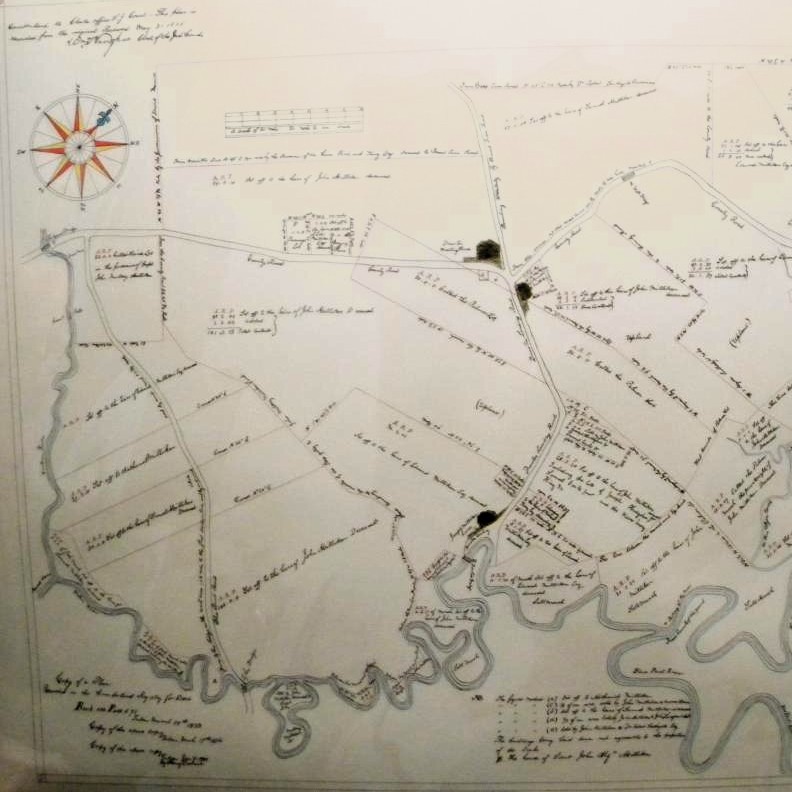
By the 1640s, three small settlements had emerged: Stratton’s fishing post, Cammock’s setup at Black Point, and a third at Blue Point, run by a couple of fellows named Foxwell and Watts. In 1651, brothers Andrew and Arthur Alger bought land from the heirs of local Sokokis leader Wackwarreska. The deal? One thousand acres at Dunstan, traded for a bushel of beans down and a bushel of corn a year, with understanding that Wackwarreska’s family could stay put. His daughter, Uphannum, remained there until her death many years later.
The town was taking shape…sort of. At this point, it was less town and more loose network of outposts where your nearest neighbor might be two marshes away. Land claims overlapped, records were hazy, and multiple factions argued over who owned what. Legal clarity was not early Scarborough’s greatest strength.
Massachusetts Says, “Let’s Just Call It Something”
Enter Massachusetts. In 1658, tired of the colonial land drama, the Bay Colony stepped in and formally incorporated the town of Scarborough. They rolled Stratton’s, Blue Point, and Black Point into one entity and named it after a seaside town back in England known for its own rugged cliffs and fishing industry. And just like that, Scarborough officially became a thing.
Of course, even with a name and boundaries, Scarborough remained wildly decentralized. People still identified more with their specific neighborhood…Dunstan, Oak Hill, Pine Point…than with the idea of a unified town. There was no real town center, just clusters of homes, cows, and the occasional court meeting if things got rowdy. Even today, Scarborough is the umbrella under which a whole bunch of little centers exist.
What We Call Home
Scarborough’s origin story isn’t some polished tale of colonial planning and grid maps. It’s one of fish and fur, bartering with beans, and carving homes out of wild land. The town wasn’t born with a flourish. It unfolded. Slowly. Marsh by marsh, deal by deal, board by board.
Even today, that patchwork nature remains. Scarborough isn’t one story. It’s many. Dunstan has its rhythm. Oak Hill has its errands. Higgins has its sand. And that lack of a traditional Main Street? It’s not a flaw. It’s the footprint of how things began…a network of little coastal hubs that never needed a center to hold.
So, this summer, when you’re sipping something iced in Oak Hill or waiting for your order at Ken’s, think back to those early years. Before the Dunkin’ drive-thru, before the beach traffic, before the zoning meetings, there were fishermen, trappers, and a lot of brackish water. And they laid the foundations for the place we now call home.
And if you’re one of the many summer visitors heading straight for the surf, consider steering a little inland now and then. Scarborough’s colonial roots might not come with a beach pass, but they offer just as much character, and a whole lot of grit (not the kind you’ll find in the car later).
Toby Bartlett is a Scarborough resident and freelance writer with over 30 years of experience. Learn more at WordsAndIdeas.com.