By Jeffrey P. Thurlow, Pine Point Association
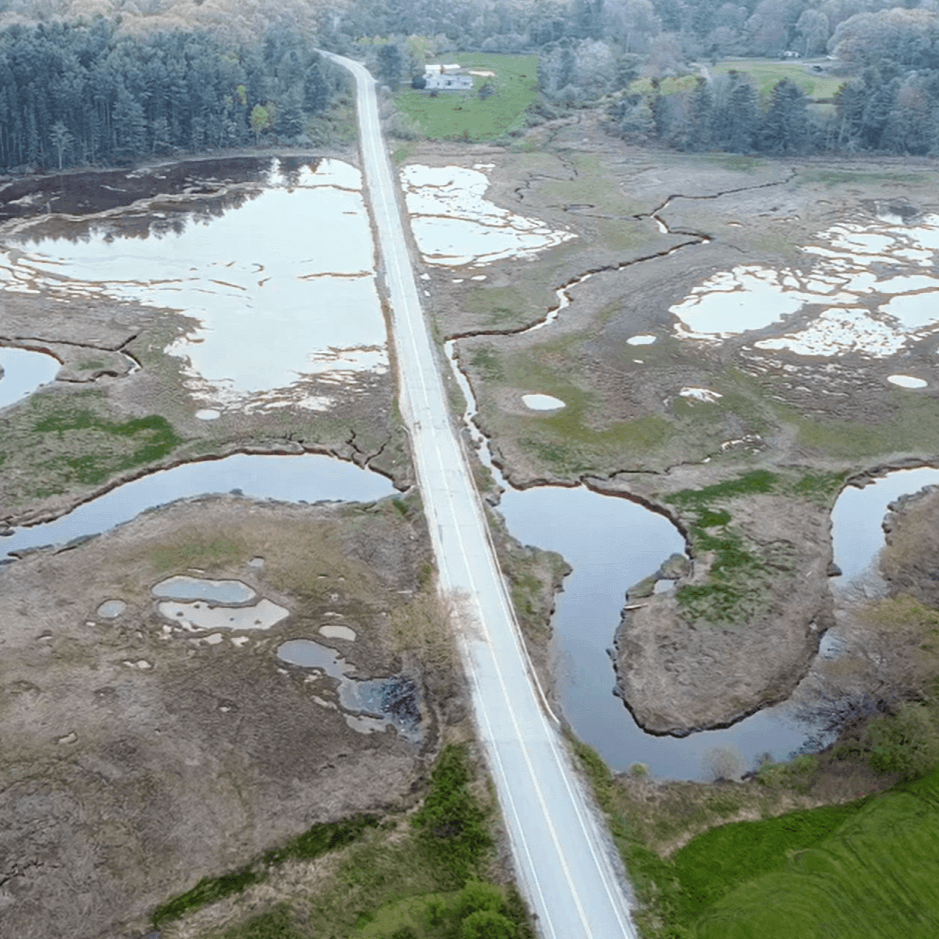
Scarborough’s coastline—shaped by tidal rivers, salt marshes, sandy beaches, and rocky ledges—has long supported fisheries, lobstering, and recreation. Among these traditions, clamming at Pine Point stands out as a defining part of the community’s heritage and identity.

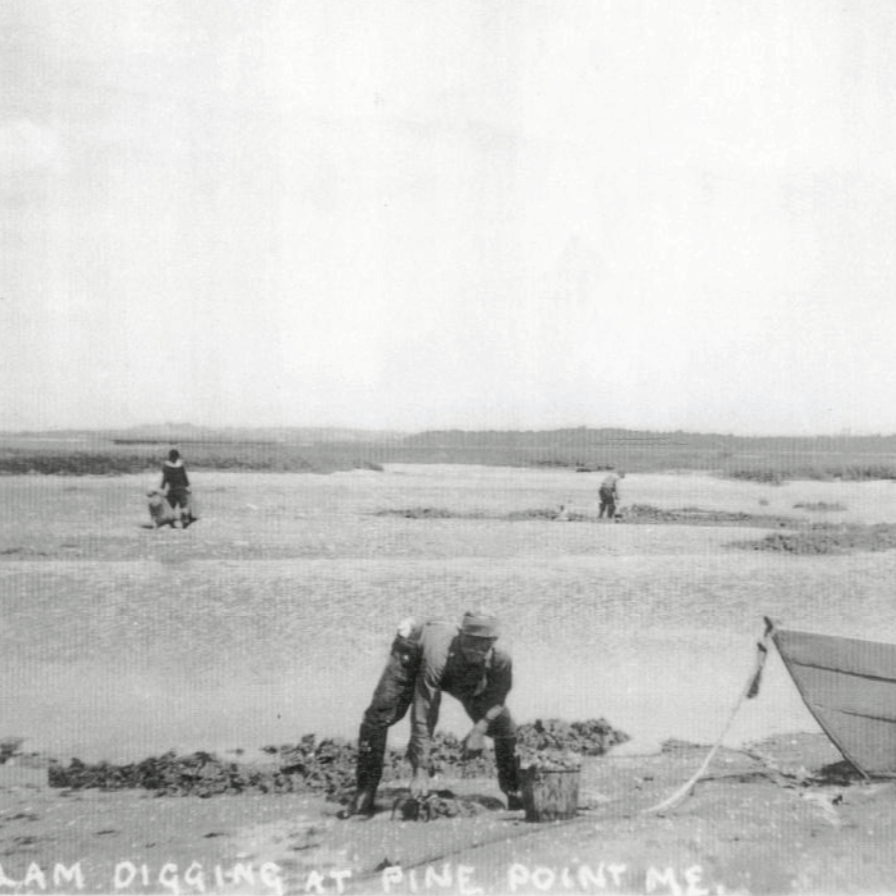
When the tide recedes, the Scarborough, Nonesuch, and Libby rivers reveal vast mudflats, creating a temporary workplace for clammers. For roughly six hours at low tide, diggers equipped with clam hoes and buckets venture out year-round in all kinds of weather—a routine passed down through generations. The work is demanding, requiring skill, strength, and endurance. A seasoned digger can harvest several hundred pounds of clams in a single tide. Despite the simplicity of the tools, clam digging is physically taxing and governed by daylight and relentless tides.

Scarborough’s nutrient-rich marshes make its flats among the most productive in Maine. Locals proudly claim the clams here taste sweeter and cleaner. The industry’s history is equally rich. In the 1920s, Fred Snow founded Snow’s Canning Company and revolutionized clam processing. His business thrived for 68 years, and Snow’s Clam Chowder remains a staple today. Other local businesses paid residents to “shuck” clams at home, with the “meat” often ending up in Pine Point and Old Orchard Beach restaurants as fried clams, fritters, chowders, and clam cakes.
Bayley’s Lobster Pound is another icon of the local seafood industry. Established in 1915 by Stephen Bayley, it grew from his wife Ella selling cooked lobsters out of her kitchen window into a full-scale operation that supported fishermen and diggers while shaping Pine Point’s economy. Today, Bayley’s continues to thrive, preserving the classic Maine fishery feel with its dockside setting and deep ties to the harbor.
In the early 1960s, Donald and Betty Thurlow opened the Pine Point Seafood Market, while their son, Donny Thurlow, built the Clambake Seafood Restaurant on the same parcel where it stands today. Still family-run, the Clambake is a community staple, offering fresh seafood and sweeping views of Maine’s largest saltwater marsh. Its history is intertwined with local clamming and lobstering, reflecting the deep connection between these businesses and the region’s fisheries.

Over time, stricter regulations and environmental challenges reshaped the clamming industry. In 1973, David Thurlow’s Shellfish Company introduced purification systems that allowed clams from previously restricted areas to be safely harvested, expanding supply. Today, clamming is highly regulated to protect stocks and ensure food safety. Commercial licenses are limited, while recreational permits allow families to dig “a peck a tide” for personal use. Red tide—a naturally occurring toxic algae—remains a serious threat, periodically forcing closures that can last weeks or months and leaving harvesters without work. These challenges underscore the delicate balance between industry and environment.
Clamming here is more than an economic activity; it is part of a fragile ecosystem and a living link to Maine’s coastal heritage. From hardworking diggers on the flats to the businesses that grew around them, Pine Point’s story reflects resilience, tradition, and an enduring connection to the sea.
Dedication
This article is adapted from writings by my father, Bruce Thurlow, and is published in his memory. His love for Pine Point and its traditions inspired this work. For those interested in exploring more of his contributions on the history of Pine Point, please visit the Scarborough Historical Society website.
Top photo: “Clam digging at Pine Point, ME,” courtesy of Jeffrey Thurlow.
Want to get involved? Visit PinePointAssociation.org or contact Board Chair Heidi Davis at thedavishome@comcast.net or Association President George Mageles at gmageles@hotmail.com.