In Part 3 of a 4-part series on climate change, Jami Fitch, the Town of Scarborough’s Sustainability Manager, explains new steps homeowners can take toward sustainability. Thanks, Jami.
By Jami Fitch
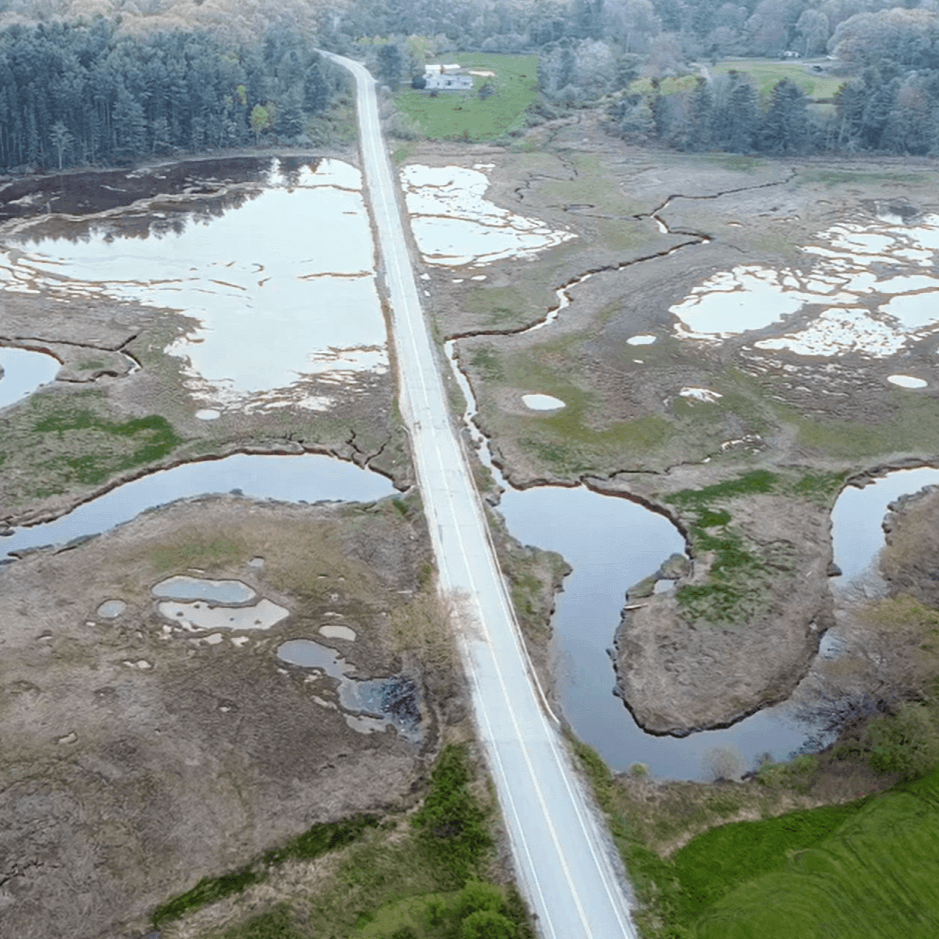
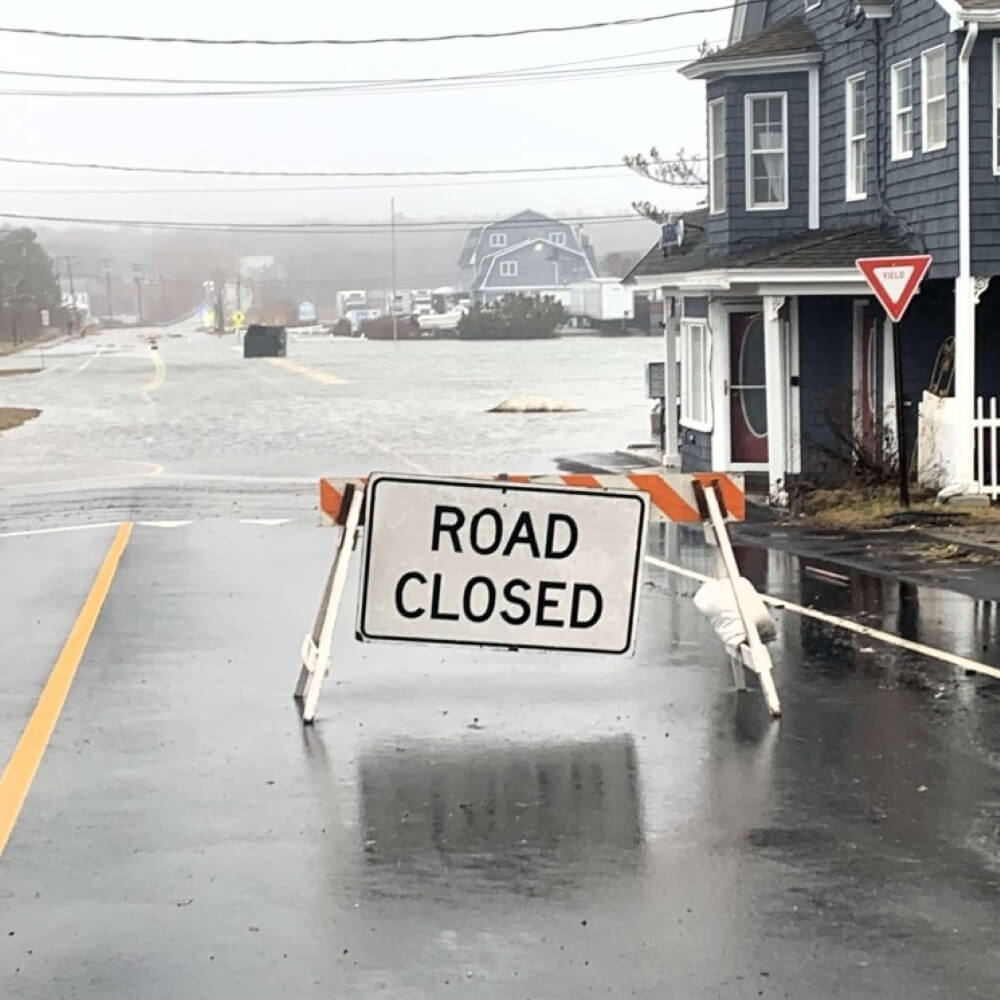
From Maine’s largest salt marsh and beaches of our coast to the farms, forests, and neighborhoods that make up our community, Scarborough’s identity is tied to the landscape around us. Like many coastal towns, we’re already feeling the effects of a changing climate: rising seas and flooding threaten our homes, infrastructure, and natural areas, and warmer temperatures take a toll on public health. These changes aren’t abstract or far off; they show up in flooded roads, eroding shorelines, and hotter summer days that put vulnerable residents at risk.
Tackling climate change, both adapting to its impacts and cutting the emissions that drive it, takes collective effort. No single program or policy will get us there alone. It requires the Town, regional partners, local businesses, and residents all making changes, big and small, that add up over time.
This summer, the Town and its partners are rolling out new programs to help make Scarborough more sustainable, with more to come as part of a broader, long-term plan.
Curbside Compost Pickup Now Available
As of July 1, Maine-based Garbage to Garden is the Town’s new provider for trash and recycling collection. Residents shouldn’t notice a change to weekly pickup: same bins, same day, same curb. What’s new is the option to add curbside composting, a service that residents have requested for years.
Food scraps (including bones, meat, and shells), plant trimmings, and paper products no longer have to go in the trash. Set them out in a Garbage to Garden bucket instead, and they’ll be collected and delivered to local farms, where they’re turned into MOFGA-certified organic soil.


Left: Food waste is emptied into a trailer to be taken to a local farm where it will be composted into quality soil. Right: Compost buckets line a residential street awaiting pickup. Photos courtesy of Garbage to Garden.
It’s a simple switch with an outsized impact. Food waste makes up a significant share of what typically ends up in household trash. When that organic material is sent to a landfill instead of composted, it breaks down without oxygen and produces methane, a greenhouse gas far more potent than carbon dioxide. Diverting those scraps to composting doesn’t just lighten the weight of your trash bag, it’s a direct way for individual households to shrink their climate footprint.
Composting offers real benefits, from fewer smelly trash bags to healthier soil, lower methane emissions, support for local farms and school gardens, and reduced disposal fees for the Town. It also keeps usable organic material out of the waste stream and turns it into something productive, closing the loop between our kitchens and Maine’s farms.
Two subscription options are available: a “no-swap” plan at $12/month with a 12-gallon bin emptied weekly, or a “full-service” plan at $19/month with a 5-gallon bucket swapped weekly and free compost delivery April through October. Learn more at GarbageToGarden.org, or sign up at bit.ly/ScarboroughSignUp.
Yard waste like leaves, grass clippings, and branches can still be dropped off free at Casella Waste (594 County Road, Westbrook) on Tuesdays, Thursdays, and Saturdays; bulky items are accepted for a fee.
Town Bus Route and Microtransit Service Coming Soon
Later this summer, Greater Portland Metro buses and vans will begin running through Scarborough. A new fixed bus route will connect Metro’s downtown transit hub to Scarborough via Route 1 and cross over to Cabela’s parking lot, with stops served along the route every 45 minutes. From Portland, riders can connect onward to Westbrook, Gorham, Falmouth, Freeport, Brunswick, and beyond. The Route 1 stops will link up with Biddeford-Saco-Old Orchard Beach Transit, effectively creating bus service from Brunswick to Biddeford.


Left: Greater Portland Metro’s expanded service in Scarborough includes a new fixed route (red line) and on-demand microtransit within the area shaded in red. Right: Expanded bus service will include a new route from downtown Portland, along Route 1, to Cabela’s. Photos courtesy of Greater Portland Metro.
Metro will also launch on-demand microtransit, an Uber-style service at a fraction of the cost. The initial zone covers the area east of the Maine Turnpike between the Scarborough-South Portland line and Dunstan Crossing, including parts of Pine Point Road and Black Point Road (see the area shaded in red on the map). Riders can book a pickup through Metro’s app, website, or by phone, and a van will meet them at the nearest cross-street to take them within the zone or connect to the fixed route.
Metro’s standard fare is $2.25 for a 90-minute pass, with a reduced fare of $1.10 for riders with disabilities, veterans, seniors 65+, youth 6-18, and Medicare cardholders (kids 5 and under ride free). Using Metro’s app or DiriGO Pass keeps the cost to a single fare even with multiple legs of a trip. When service launches, Metro will offer a free-ride period to help residents try it out, so there’s no better time to give it a test run and see how it might fit into your routine.
Public transit is a safe, reliable, and affordable way to cut traffic, expand mobility for those who can’t or choose not to drive, and reduce climate pollution. Every trip taken by bus or van instead of a personal car is one less vehicle’s worth of emissions on the road, and over time, that adds up across a whole community. For residents without easy access to a car, including teens, seniors, and people with disabilities, this transit service can open up everyday errands, medical appointments, and job opportunities that were previously out of reach.
Scarborough has committed $369,000 over three years to bring this service to the community, with additional funding from the Greater Portland Comprehensive Transportation System (PACTS), the Maine Turnpike Authority, and Maine Department of Transportation. At the end of the 3-year pilot, the Town Council will evaluate the service and consider joining Metro as a full member community, a decision that will depend in part on how many residents use the service.
Both initiatives will play a key role in the Sustaining Scarborough Climate Action Plan, coming this fall. Sustaining Scarborough is our community’s commitment to protecting what makes our town special. Our next article will dive into the plan’s goals, actions, and strategies in detail, including how residents can get involved as the plan moves from paper to practice. Until then, more information is available at SustainingScarborough.org.
Resources for Homeowners
A growing number of online tools can help homeowners better understand how climate change may affect their properties. Here are three websites that can help you assess your home’s potential exposure to climate hazards and make informed decisions about preparedness.
FirstStreet.org: Get a quick 1-to-10 assessment of your home’s exposure to flood, fire, wind, air quality, and heat risks. More detailed information is available for a fee.
NOAA Sea Level Rise Viewer: Map the impact of sea level rise in your neighborhood. This tool has a sliding scale that shows the impact of a 1- to 10-foot increase in “mean higher high water.” You can also map the change by year, from 2030 to 2100.
Maine Coastal Elevation and Flood Level Tool: Enter your address to see its risk of flooding based on historical data. It includes both coastal flooding from ocean water and river flooding from heavy rain or snowmelt.
Jami Fitch is Sustainability Manager for the Town of Scarborough.
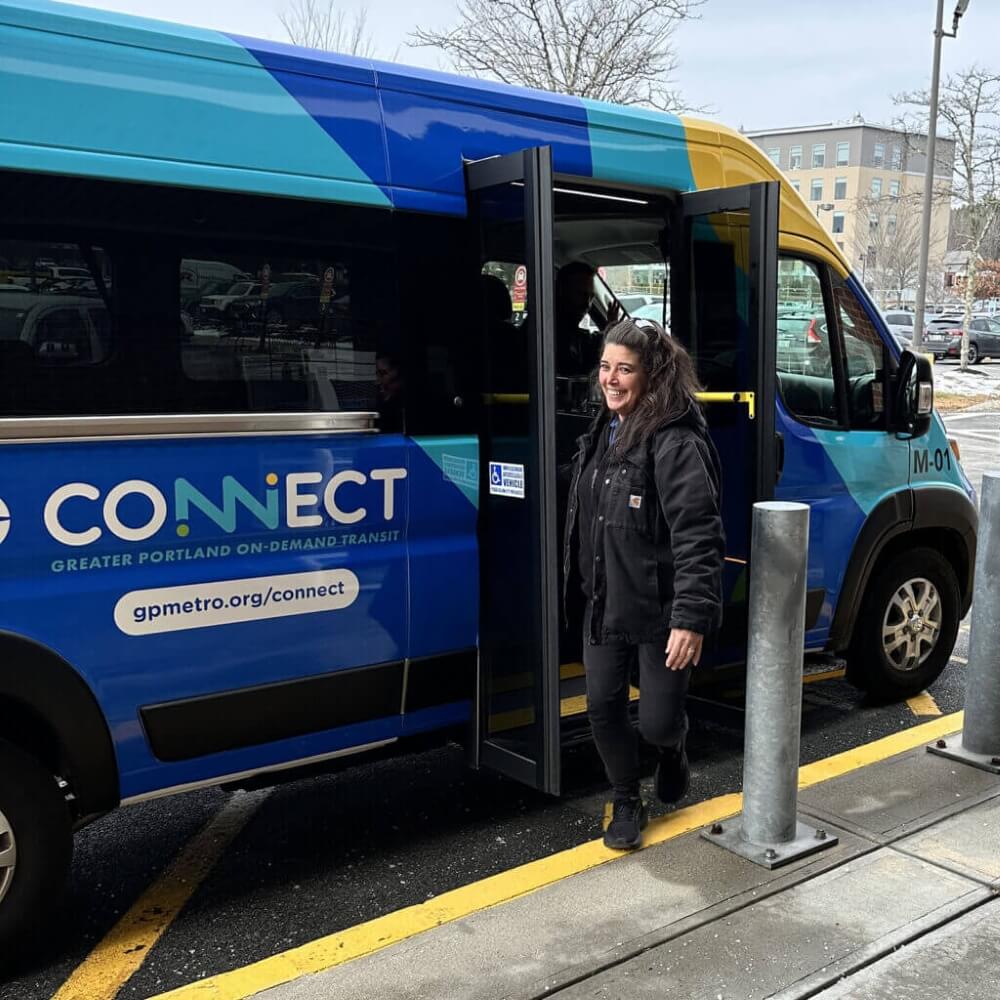
Top photo: Metro’s on-demand microtransit provides Uber-style service at a fraction of the cost. Photo courtesy of Greater Portland Metro.