By Jim Hartley – the guy who’s sold it for years and never once made it
Lobster has been a central facet of my existence for the past decade and a half. I’ve sold more lobster than I can count. I have also sold lobster bisque, frozen packages of it, right next to the clam chowder, for fifteen of those fifteen years. To be honest with you: I have never actually made a batch of it myself, and until recently I couldn’t have told you what separates it from a good chowder besides the price tag and the fact that it comes in a smaller container.
Well, I finally did some digging. Come to find out, what we’ve been selling is not just a fancy soup, but an entertaining story as well.
Where does this stuff even come from?
So, no surprise bisque isn’t a Maine invention, and maybe it’s not even originally a lobster thing. From what I gathered, it traces back to fishing villages along the Bay of Biscay in France; some food historians believe that’s literally where the name comes from. Others say “bisque” comes from an old word for “twice cooked,” since the method involves roasting shells and then simmering them. Either way, the whole idea started because fishing families didn’t want to waste the shells after eating the meat. Sounds familiar! They roasted them, boiled them down, and turned what was otherwise garbage into a rich broth. When I read that, it clicked — that’s basically what every lobster dealer, processor, restaurateur, chef, fishmonger, and my mother, Shirley Hartley, had been doing forever, i.e., maximizing returns on their raw material investment. We just never gave it a fancy French name over here.
So, how’s it actually made?
I first went to the O.G. and dusted off my mom’s old copy of Julia Child’s Mastering the Art of French Cooking, and quite frankly got a little overwhelmed. Continuing my exhaustive research (read: YouTube videos), it goes something like this:
- Save the shells. All of them, from the claws and body to the tails, but don’t rinse.
2. Roast them in a hot pan with a little butter until they turn deep red and the kitchen smells like the wharf on a good day.
3. Build a base (mirepoix) with onion, carrot, celery, garlic, tomato paste, and a glass of brandy/white wine. You can put some in the base also!
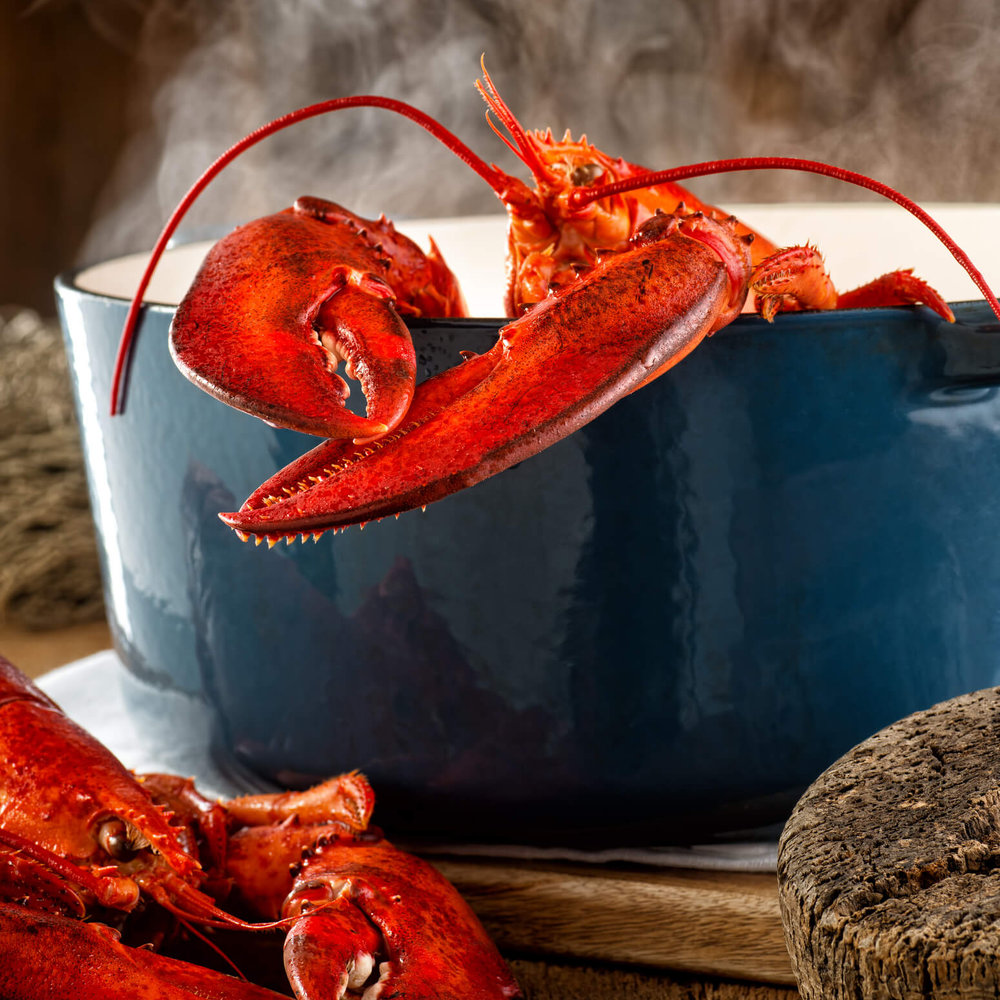
4. Simmer everything low and slow for an hour or two in a Dutch oven, so the shells give up all their flavor into the liquid.
5. Strain and then puree the shells. Yes, really. Combine and then finish with cream…this is the step that turns shell broth into something silky.
6. Stir in actual lobster meat at the end, so people know what they’re paying for.
Now I have a better answer than the lame “Hellifino!” I’ve offered in the past when someone asks what a bisque is…and learning is half the battle.
Enjoy! And eat slow.

Jim Hartley is a Scarborough resident and owner of Pine Tree Seafood and Dunstan Smokehouse.
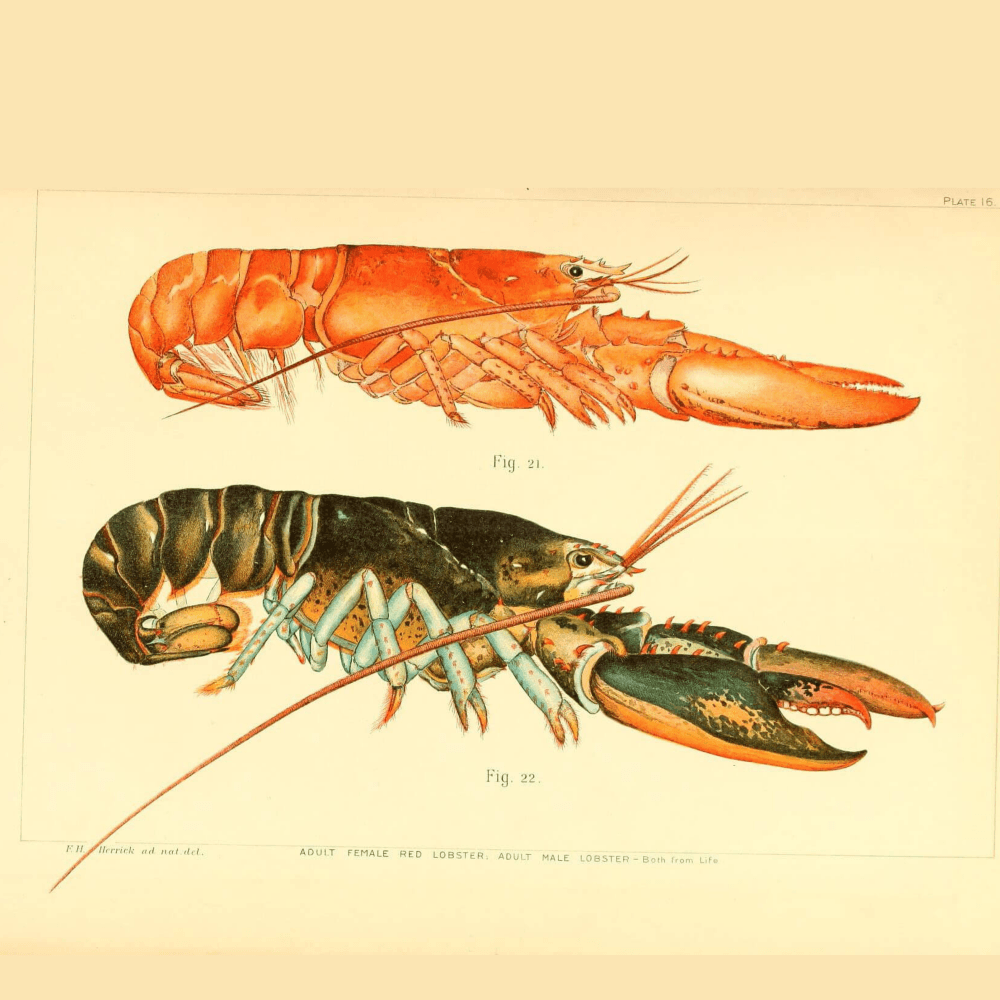
Top photo: Illustration by Francis Hobart Herrick, 1895